Canned beans are a kitchen staple due to their convenience, affordability, and nutritional value, offering protein, fiber, and essential nutrients.
However, a common question arises: should they be rinsed before cooking?
The canning process involves cooking beans and sealing them in cans with liquids like water, brine, or sauce.
This preserves the beans and makes them shelf-stable, but the liquid can contain added salt, preservatives, and starches, which sometimes results in a thicker, slimy texture.
Rinsing beans is a popular method to reduce the sodium content, as canned beans are often loaded with salt for preservation. Rinsing can reduce sodium by up to 40%, which is beneficial for those watching their salt intake.
The liquid may also contain sugars or additives, especially if the beans are in a seasoned sauce, so rinsing helps remove these processed ingredients.
However, rinsing may wash away some of the water-soluble vitamins and minerals, so there’s a trade-off. Canned beans are safe to eat without rinsing, as the canning process ensures they are free from harmful bacteria. Some argue that the liquid inside the can enhances the flavor and texture of dishes like soups and stews, where it can thicken the broth, giving it a richer body.
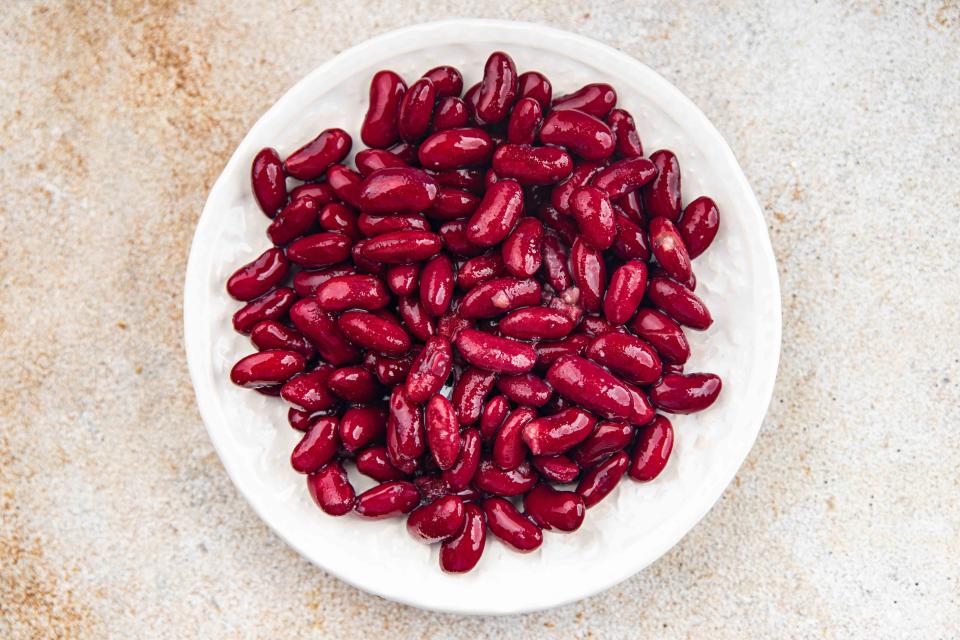
On the other hand, for lighter dishes like salads, the liquid may add an undesirable metallic or briny taste, so rinsing is recommended.
Food professionals are divided on the issue. Nutritionists often recommend rinsing to lower sodium, particularly for those with heart conditions, while chefs may skip rinsing for richer dishes, where the liquid adds depth. For dips, the decision is largely a matter of personal preference.
To rinse beans, simply place them in a colander and run cold water over them for about 30 seconds, ensuring all beans are rinsed and drained.
Ultimately, whether to rinse or not depends on the dish and dietary goals. For soups and stews, the liquid can be kept for added thickness, while for salads and fresh dishes, rinsing is better to reduce saltiness and improve texture.
If you’re concerned about sodium, low-sodium or no-salt-added beans are a good alternative. The key is understanding the role the liquid plays in your recipe, so you can make the best choice