If you’ve ever felt like your body reacts to “random” foods in strange ways—flushing one day, stomach issues the next, and headaches out of nowhere—you may have come across the term histamine intolerance. It’s a condition that can mimic allergies, digestive problems, and even anxiety-like symptoms, making it frustrating to identify.
Histamine intolerance happens when the body can’t break down histamine properly, causing it to build up and trigger symptoms.
Here are the most common signs to watch for—and what may be causing them.
What Is Histamine Intolerance?
Histamine is a natural chemical involved in:
- immune reactions (like allergy responses)
- stomach acid production
- brain and nervous system signaling
Normally, your body breaks down histamine using enzymes like DAO (diamine oxidase) and HNMT. But when histamine intake is too high—or your body can’t break it down fast enough—symptoms can appear.
18 Signs of Histamine Intolerance
1) Frequent headaches or migraines
Histamine can dilate blood vessels and trigger headache symptoms in some people.
2) Flushing or sudden facial redness
A warm, “hot face” feeling after eating is a common clue.
3) Itchy skin without a clear cause
Persistent itching, especially after meals, may be linked to histamine buildup.
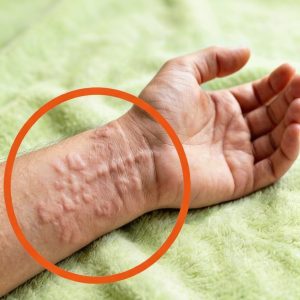
4) Hives or raised red welts
Some people get skin reactions that look like allergies—even without a true allergy.
5) Eczema flare-ups
Histamine can worsen inflammation and make eczema symptoms harder to control.
6) Runny or stuffy nose (especially after eating)
Even without a cold, histamine can cause congestion and post-nasal drip.
7) Sneezing fits
This can happen suddenly, often after wine, aged foods, or leftovers.
8) Watery or itchy eyes
Histamine affects the eyes in the same way it does during seasonal allergies.
9) Digestive discomfort (bloating, cramps, nausea)
Many people first notice histamine intolerance through gut symptoms.
10) Diarrhea or loose stools
Histamine can irritate the digestive tract and speed motility.
11) Acid reflux or heartburn
Histamine plays a role in stimulating stomach acid, which may worsen reflux.
12) Gas and abdominal pressure
Some people feel “inflamed” or swollen after certain meals.
13) Rapid heartbeat or palpitations
Histamine can affect blood pressure and heart rhythm sensations.
14) Dizziness or lightheadedness
This can happen if histamine contributes to changes in blood vessel tone.
15) Low blood pressure episodes
Some people feel faint after meals, particularly with high-histamine foods.
16) Anxiety-like feelings or restlessness
Histamine interacts with the nervous system and may contribute to agitation.
17) Poor sleep or waking up at night
Some people feel worse at night because histamine activity can increase in the evening.
18) Symptoms that come and go unpredictably
This is a big one—histamine intolerance often feels inconsistent because your “histamine bucket” can overflow differently depending on stress, hormones, sleep, and diet.
What Causes Histamine Intolerance?
Histamine intolerance isn’t always caused by one single issue. It’s often a combination of factors.
Low DAO enzyme activity
DAO is one of the main enzymes that breaks down histamine in the gut. If DAO is low, histamine from foods can trigger symptoms more easily.
Gut health problems
Conditions that may reduce histamine breakdown or worsen sensitivity include:
- IBS
- gut inflammation
- imbalanced gut bacteria
- leaky gut patterns (increased intestinal permeability)
Certain medications
Some medications may reduce DAO activity or affect histamine processing, including some:
- pain relievers (like NSAIDs)
- antidepressants
- muscle relaxants
- antibiotics
(Always talk to your doctor before stopping any medication.)
High-histamine foods in the diet
Foods naturally high in histamine include:
- aged cheese
- cured meats
- fermented foods
- wine and beer
- vinegar-based products
- leftover fish or meat (histamine rises as food sits)
Histamine “liberators”
Some foods may trigger the release of histamine even if they aren’t high in it, such as:
- tomatoes
- citrus
- chocolate
- strawberries
- certain food additives
Hormonal changes
Some people notice symptoms worsen around:
- PMS
- pregnancy
- perimenopause
Estrogen can influence histamine levels in the body.
Stress and poor sleep
Stress can raise inflammation and may increase histamine release—creating a cycle where symptoms worsen over time.
What To Do If You Suspect Histamine Intolerance
If these symptoms feel familiar, here are practical steps that can help you narrow it down:
- Track symptoms with a food diary (especially 24 hours after eating)
- Try a low-histamine diet for 2–3 weeks, then reintroduce foods slowly
- Focus on fresh foods (histamine increases in leftovers)
- Talk to a healthcare professional about:
- gut health testing
- nutrient deficiencies (like B6, copper)
- possible DAO support
- ruling out true food allergies, celiac, or other conditions
Final Thoughts
Histamine intolerance can be confusing because it doesn’t always show up the same way twice. One day you’re fine, the next day you feel like you’re reacting to everything. But the symptoms are real—and once you recognize the pattern, it becomes easier to manage.