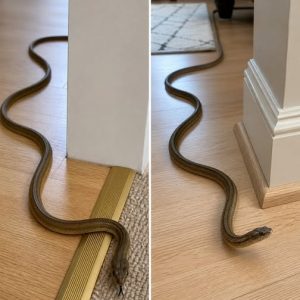
Finding a toad near your home can be surprising — and for some people, even a little alarming. But toads don’t show up randomly. Their presence is usually a sign that certain environmental conditions around your house are especially appealing to them.
Here’s what it often means when toads start appearing around your home.
1. Your Yard Has Plenty of Insects
Toads are natural pest controllers. They feed on:
- ants
- beetles
- flies
- mosquitoes
- slugs
If toads are visiting your home, it often means your yard has an abundant food source. Gardens, outdoor lights, and moist soil tend to attract insects — and toads follow.
2. There’s Moisture Nearby
Toads need moisture to survive. They’re drawn to environments that help keep their skin hydrated, such as:
- damp lawns
- shaded areas
- leaky sprinklers
- basements or crawl spaces with humidity
Homes with gardens, mulch, or nearby water sources are especially attractive.
3. You Have Safe Hiding Spots
Toads look for cool, sheltered places during the day. Common hiding spots around homes include:
- flower beds
- piles of leaves or wood
- rocks and stepping stones
- gaps near foundations
If your yard offers protection from heat and predators, toads may see it as a safe resting area.
4. Your Area Is Environmentally Healthy
Because toads are sensitive to pollution and chemicals, their presence can indicate a relatively healthy environment. Areas with fewer pesticides and cleaner soil are more inviting to amphibians.
In this sense, toads are often considered natural indicators of ecological balance.
5. Seasonal Movement Is Happening
Toads are more visible during certain times of year, especially:
- after heavy rain
- during breeding seasons
- on warm, humid nights
They may wander closer to homes simply while moving between habitats.
Should You Be Concerned?
In most cases, no. Toads are generally harmless, shy, and beneficial. They:
- don’t seek human interaction
- help control insect populations
- usually leave on their own
If you prefer they don’t linger, reducing moisture, removing hiding spots, and limiting outdoor lighting can make your yard less attractive to them.
The Bottom Line
When toads come to your house, it’s usually because your environment offers food, moisture, and shelter. Far from being a bad sign, their presence often reflects a balanced outdoor ecosystem.
So the next time you spot a toad near your home, it’s not a mystery — it’s nature responding to the conditions you’ve created.