There are many amazing species and interesting natural events in the world. We learn more about how balanced and diverse our planet is by watching how different organisms interact with each other and how they can change to survive.
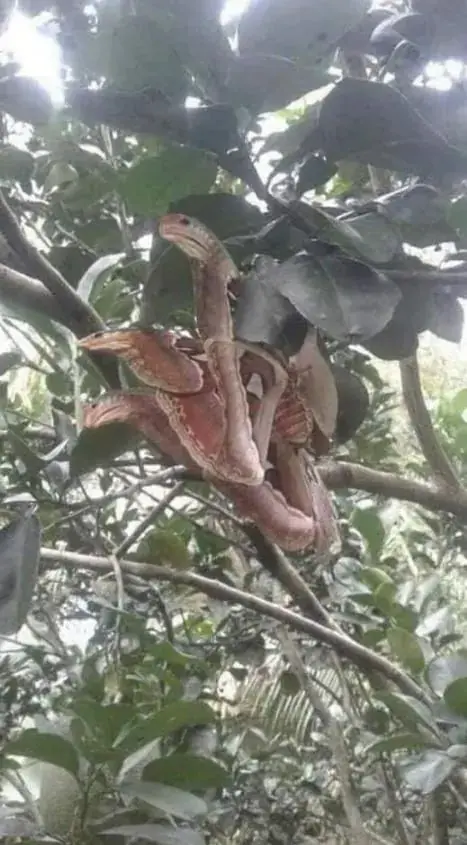
I recently came across some interesting pictures of what looked like three angry snakes hiding in a tree. There were chills running down my spine. But there was a surprise: those “snakes” weren’t really snakes! They were something completely different, but just as amazing.
The Amazing Variety of Living Things
Biodiversity is the huge number of different species that live in the wild. Each species is important for keeping the ecosystem in balance in its own way. Over time, animals and plants have evolved and learned amazing new ways to stay alive.
For instance, some insects have developed camouflage colors that help them blend in with their surroundings and keep them safe from animals that would try to eat them. Some people have made poisonous chemicals as a defense. Nature’s smart ways of staying alive never cease to amaze us.
A Story About the “Angry Snakes”
In 2021, Rob Allam posted a picture on Twitter that users all over the world saw and liked. The picture looked like it showed three snakes hiding in a tree, looking angry. But when I looked more closely, I saw that there was more to this story than meets the eye.
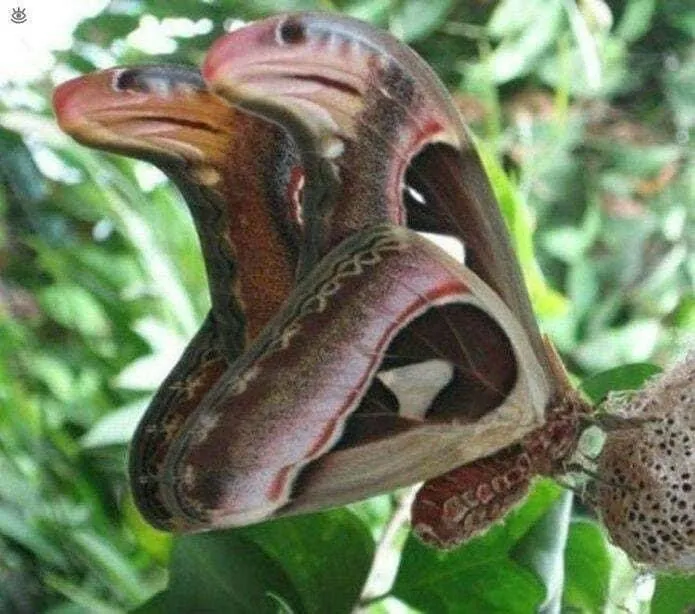
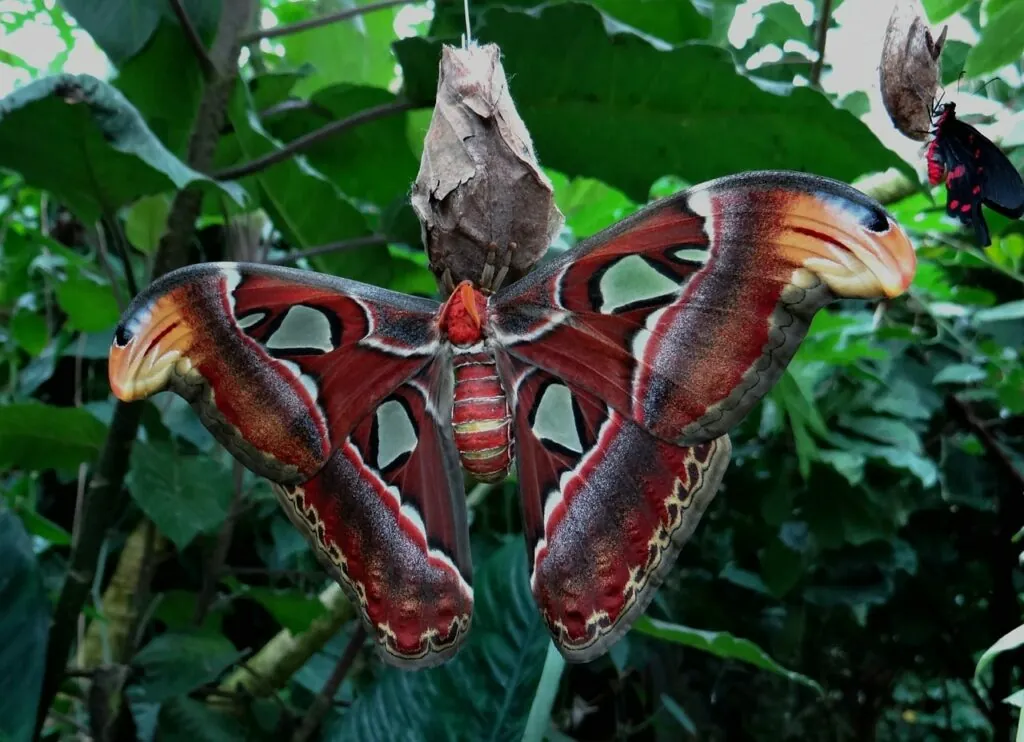
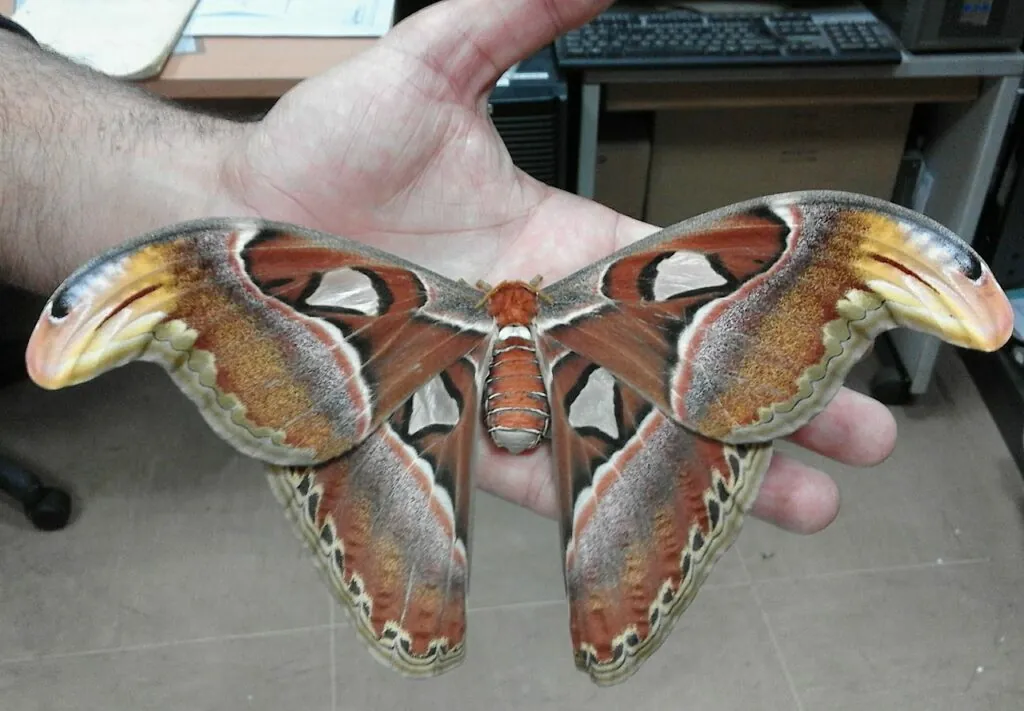
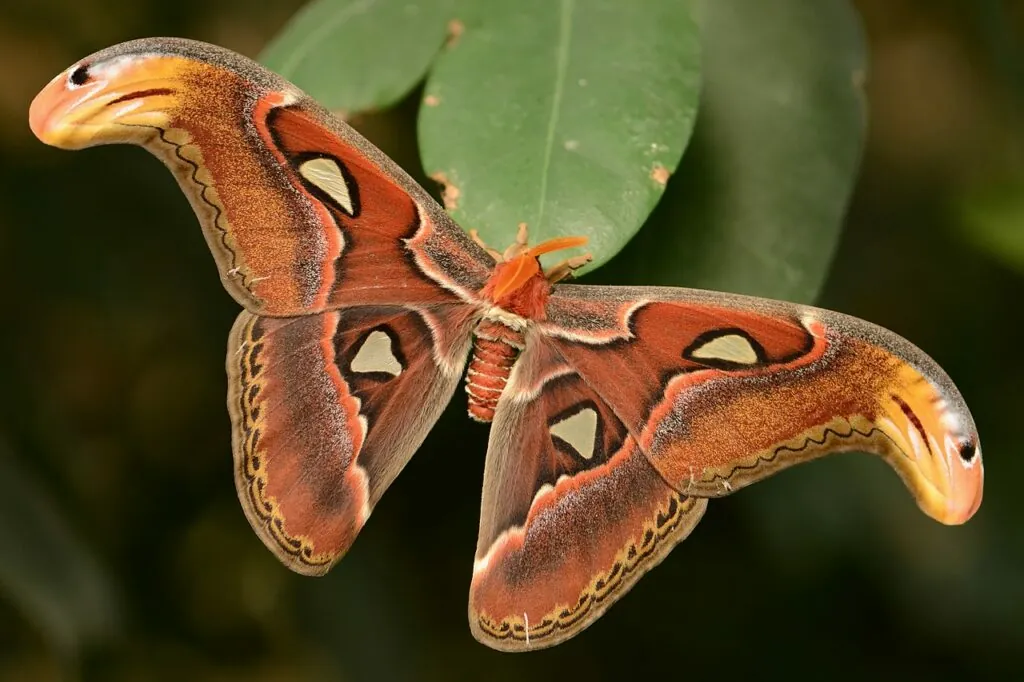
What the three “snakes” really are is a clever optical illusion made by the wings of two different types of Atlas moths. These stunning bugs are native to forests in Asia, and they have an amazing ability to look like snakes.
The Atlas moth is one of the biggest species of Lepidoptera. Its wings can grow up to 24 cm (9.4 in) long and have a surface area of over 160 cm2 (25 in2). Its body, which is much smaller, makes a strong contrast. The moth gets its name from the Greek mythological figure Titan Atlas. Carl Linnaeus was the first person to notice it in 1758.
Putting the Mystery to Rest
The person on Twitter who shared the popular picture, Rob, gave some interesting information about this species. He said, “The Attacus Atlas is one of the biggest butterflies in the world, and it only lives for two weeks as an adult.” At this stage, its main goal is to hide as a snake and lay eggs, then watch over them until they hatch.
A lot of people on social media couldn’t believe at first that the “snake” was really a moth. “That disguise is really good!” exclaimed one user in awe of the moth’s clever disguise. “How is that top one not a real snake?” asked someone else in surprise. If this moth didn’t look like I was going to hit it with a broom, it would live longer.
A Coming Together of Beauty and Cloak
Atlas moths are not strong or quick flyers, despite what most people think. They like to sleep during the day so that they have more energy to fly at night. When these amazing animals sense danger, they use a unique way to protect themselves: they drop to the ground, wriggle, and flap their wings in a way that looks like the head of a snake.
To see an Atlas moth, which is truly amazing, one would probably have to go to the tropical forests of Asia. There have been reports of seeing Atlas moths in other places, like Europe and the United States. In 2012, an Atlas moth was found on a windowsill in Ramsbottom, Greater Manchester. This was reported by the BBC as an interesting event. The family that found it at first thought it was a bat because it was so big. The moth died soon after it was found, which was sad.
Another Atlas moth made history when it was seen in Bellevue, Washington, in July 2022. This was the first time the species was seen in the United States. In the same year, another specimen was found in Sweden.
An Interesting Meeting
There is no doubt that I would be amazed and shocked if I came across one of these beautiful animals. I would grab my camera to record the moment, but I would stay away if the moth started to look like the head of a snake. This amazing sight should be shared and enjoyed by everyone.
Please share this post on Facebook to get the word out about this huge and interesting moth. Let’s honor its unique qualities and impressive presence in places other than its natural habitat. The beautiful things in nature always amaze us.