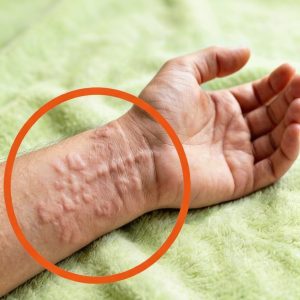
Many people notice small, soft bumps appearing on their neck, armpits, eyelids, or other areas where skin folds together. These tiny growths are commonly known as skin tags, and they are a very common skin condition.
Although they may look unusual, skin tags are usually harmless and noncancerous. They often appear gradually and may increase in number over time.
What Are Skin Tags?
Skin tags, medically called acrochordons, are small pieces of soft skin that hang slightly from the surface of the body. They can vary in size, from tiny dots to small bumps about the size of a grain of rice or larger.
They usually have the following characteristics:
- Soft and flesh-colored or slightly darker
- Smooth or slightly wrinkled surface
- Attached to the skin by a small thin stalk
- Painless in most cases
Skin tags are extremely common, especially among adults.
Why Do Skin Tags Appear?
Although the exact cause isn’t fully understood, several factors are believed to increase the likelihood of developing skin tags.
1. Friction Between Skin Surfaces
Skin tags often appear in places where skin rubs against skin or clothing, such as:
- The neck
- Under the arms
- Under the breasts
- Around the groin
Repeated friction may contribute to their formation.
2. Age
Skin tags are more common in middle-aged and older adults, although they can occur at any age.
3. Genetics
Some people may be more likely to develop skin tags due to family history.
4. Hormonal Changes
Hormonal changes—especially during pregnancy—can sometimes lead to the appearance of new skin tags.
5. Insulin Resistance
In some cases, skin tags have been associated with metabolic conditions, including insulin resistance and type 2 diabetes.
Are Skin Tags Dangerous?
In most cases, skin tags are completely harmless and do not require treatment. They usually do not cause pain or health problems.
However, they can sometimes become irritated if they:
- Rub against clothing
- Are scratched or pulled
- Become twisted
If a skin tag suddenly changes color, size, or begins bleeding, it is important to have it checked by a healthcare professional.
Can Skin Tags Be Removed?
Yes, if skin tags are bothersome or cosmetic concerns, they can be removed safely by a medical professional. Common removal methods include:
- Freezing (cryotherapy)
- Cutting with sterile medical tools
- Cauterization, which uses heat to remove the growth
It is generally recommended not to remove skin tags at home, as improper removal may lead to infection or bleeding.
When to See a Doctor
Although skin tags are usually harmless, you should consult a doctor if:
- The bump grows quickly
- It becomes painful
- It changes color
- You are unsure whether the growth is a skin tag
A doctor can examine the skin and confirm the diagnosis.
The Bottom Line
Small bumps on the neck or armpits are often skin tags, a common and typically harmless skin condition. They may develop due to friction, genetics, age, or certain metabolic factors.
While they rarely cause medical problems, a healthcare professional can safely remove them if needed or evaluate any changes that may require attention.