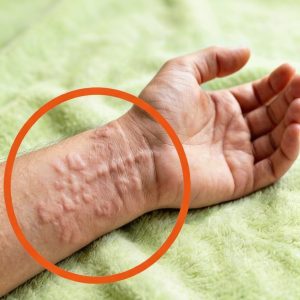
Noticing different-sized bumps or red circles on your child’s skin can be scary—especially when they show up suddenly after spending the weekend away. The photo you shared shows multiple round, red, ring-shaped patches, some with a clearer center. This pattern is very common with a few specific skin conditions, and most of them are treatable.
Let’s break down what this could be, what to look for, and what to do next.
1) The Most Likely Cause: Ringworm (Tinea Corporis)
Despite the name, ringworm is NOT a worm—it’s a fungal skin infection.
Why it matches the photo:
- Round “ring” shape
- Red outer edge
- Lighter center
- Multiple circles in different sizes
How kids catch it:
- Shared towels, bedding, or clothing
- Wrestling/contact sports
- Pets (especially cats/dogs)
- Daycare/overnight stays
- Shared couches or blankets
Other symptoms:
- Itching (sometimes intense)
- Dry or scaly skin on the ring
- Spreading outward over time
✅ Good news: Ringworm is very treatable.
2) Another Possible Cause: Hives (Allergic Reaction)
Hives can sometimes form large circles and look like rings.
Common triggers:
- New detergent or soap
- Bug sprays
- Food reactions
- Pets
- Medications
- Heat/sweat
How it differs from ringworm:
- Usually very itchy
- Comes and goes quickly
- Moves to different areas
- No scaly edge
3) Bug Bites (Especially Bed Bugs or Mosquito Sensitivity)
Some people react strongly to bites and develop raised, red welts that can look circular.
Clues it may be bites:
- Spots appear after sleeping somewhere new
- Bites in clusters or lines
- Itching is intense
- Other people in the house may have them too
Bed bug bites are often:
- In rows or groups
- On arms, neck, legs, or waistline
4) Eczema or Contact Dermatitis
If the skin touched something irritating, it can form red patches.
Triggers include:
- Fabric softener
- New laundry detergent
- Lotion or body spray
- Sports gear rubbing skin
Usually these are:
- More patchy than ring-shaped
- Often dry, rough, or cracked
5) When It Could Be More Serious (But Less Likely)
Some rashes need medical attention quickly.
🚨 Go to urgent care or call a doctor ASAP if you notice:
- Fever + rash
- Rapid spreading
- Swelling of face/lips/eyes
- Trouble breathing
- Painful rash, blistering, or pus
- Rash near the eyes
- Signs of infection (warmth, increasing redness, yellow crusting)
What You Can Do at Home (Safe First Steps)
If it looks like ringworm, the safest first move is usually:
✅ Try an OTC antifungal cream
Look for:
- Clotrimazole 1% (common)
- Terbinafine 1% (often works faster)
Apply 1–2 times daily for 2–4 weeks, and continue one extra week after it looks gone.
Important tips:
- Don’t scratch (it can spread)
- Wash towels, sheets, and clothing in hot water
- Don’t share towels or clothing
- If there are pets, check them for bald/red patches
🚫 Avoid steroid creams unless a doctor tells you to use them.
Steroids can make fungal rashes worse and spread faster.
When to See a Doctor
You should get a medical check if:
- It’s spreading quickly
- It doesn’t improve after 5–7 days of antifungal cream
- It’s on the scalp (may need oral medicine)
- There are many spots (may need prescription-strength treatment)
- Someone else in the household is getting it too