Health Risks You Should Know About Honey: Use with Caution
Honey has long been celebrated as a natural sweetener with numerous health benefits, from soothing sore throats to providing antioxidants. Its rich, sweet flavor and perceived natural purity have made it a staple in kitchens worldwide. However, despite its many advantages, honey also carries certain health risks that consumers should be aware of. Using honey with caution is essential to avoid potential health complications.
The Sweet Side of Honey
Honey is packed with antioxidants, enzymes, and antimicrobial properties. It has been used traditionally for wound healing, cough relief, and as a healthier alternative to processed sugars. For many, honey is viewed as a natural and wholesome food choice, making it a popular ingredient in teas, baked goods, and home remedies.
Potential Health Risks of Honey
While honey offers health benefits, there are important risks associated with its consumption, especially if not used properly:
1. Botulism Risk in Infants
One of the most significant concerns with honey is its potential to cause botulism in infants under one year old. Honey can contain spores of Clostridium botulinum, a bacteria that produce toxins harmful to babies’ developing digestive systems. Consuming even small amounts of honey can lead to infant botulism, which can cause muscle weakness, breathing problems, and can be life-threatening.
2. Allergic Reactions
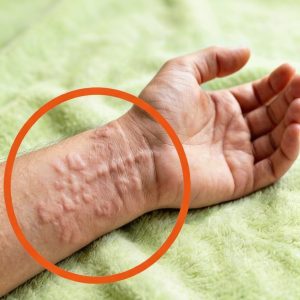
Some individuals may experience allergic reactions to honey, particularly those allergic to pollen, bees, or specific plant sources used by bees. Reactions can range from mild skin irritations to more severe symptoms like difficulty breathing or anaphylaxis.
3. High Sugar Content and Blood Sugar Spikes
Despite being natural, honey is still a form of sugar and can impact blood sugar levels. Excessive consumption may lead to weight gain, insulin resistance, or exacerbate conditions like diabetes. People with blood sugar management issues should consume honey in moderation.
4. Potential Contaminants
Unprocessed or poorly sourced honey can contain contaminants such as pesticides, antibiotics, or heavy metals. Consuming contaminated honey may pose health risks over time, especially for vulnerable populations.
Use Honey Safely
To enjoy honey’s benefits while minimizing risks:
- Avoid giving honey to infants under 12 months.
- Purchase honey from reputable sources to ensure quality and safety.
- Consume honey in moderation, especially if you have blood sugar concerns.
- Be mindful of allergies—if you have pollen or bee allergies, consult a healthcare professional before consuming honey.
- Store honey properly to prevent fermentation or contamination.
Final Thoughts
Honey can be a healthy addition to your diet when used responsibly, but it’s important to recognize the potential health risks. Being informed and cautious ensures you enjoy its flavors and benefits safely, avoiding unnecessary health complications.